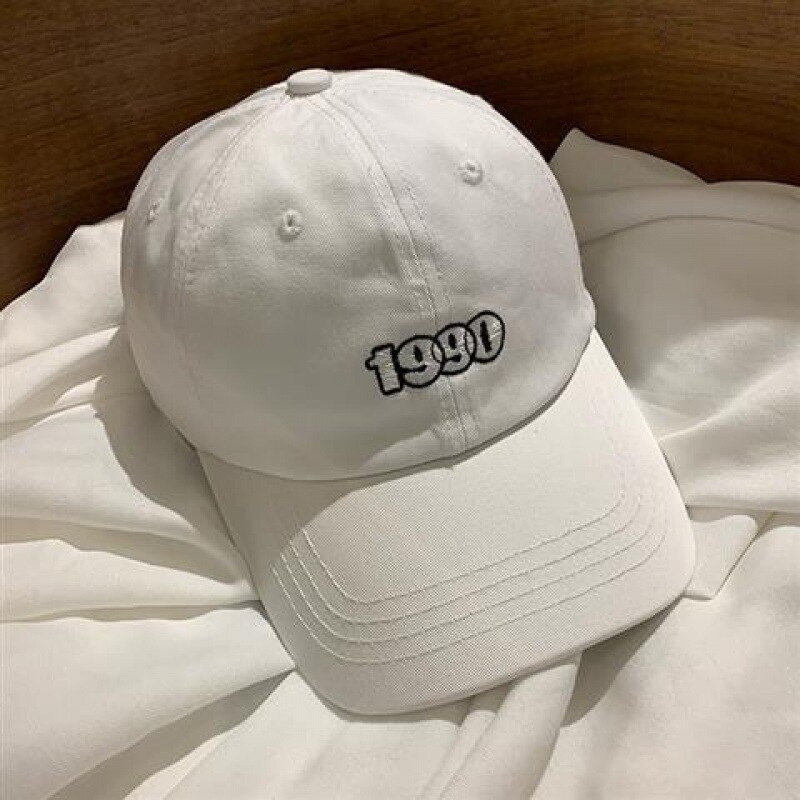
I once believed these misconceptions myself. I assumed purchasing an inexpensive cap online was equivalent to getting a quality piece made specifically for me. I ended up spending hundreds of dollars replacing cheap hats that faded, stretched out, or simply looked terrible after just a couple of washes.
Let me share the reality with you. If you want a custom baseball cap with logo that stands the test of time, you need to disregard these falsehoods. Here's what they don't tell you about 1990 Embroidery Adjustable caps and the genuine custom experience.
If you continue buying cheap options, you'll keep spending more money in the long run. Follow these steps to save cash and get the perfect cap:
When you hear the word "custom," you probably imagine long waiting periods and confusing forms. Most budget online vendors make you navigate endless menus only to send you a digital proof that bears little resemblance to the final product.
The Lie: You need to be an expert designer to get a cool, unique cap
The Truth: A truly good custom cap experience should be simple and enjoyable. It involves knowledgeable staff helping you make the best decisions, guiding you through fabric choices, color selection, and logo placement.
The best shops treat this process like a personalized shopping experience. Consider what actual customers have to say:
"Stormi was incredibly attentive and personable, making my experience a memory I'll always cherish. They offered such quality and thoughtful advice when I clearly couldn't decide among all the wonderful details available to choose from."
This demonstrates that the process should feel like expert consultation rather than homework. The staff handles the challenging aspects while you simply enjoy selecting the details for your custom baseball cap with logo.
The label might say "Unisex All-match Snapback Cap" and "3-Adjustable," but this can be misleading. Just because a hat features a strap or snapback closure doesn't guarantee a proper fit.
The Lie: If the back adjusts, the cap fits everyone
The Truth: Caps are defined by two crucial elements: the materials used and the crown depth. The crown represents the dome of the hat. If it's too shallow, the hat feels like it's floating on your head. If it's too deep, it covers your ears.
Inexpensive caps use thin materials that wrinkle awkwardly when you tighten the strap. They often feature poor stitching that pulls uncomfortably on your forehead.